 Jávea Property Management
Three kinds of damp
Treating damp starts with knowing where it comes from:
- Condensation. The most common by far. Humid sea air gets into the house and condenses on the coldest surfaces: north-facing walls, corners, the backs of wardrobes, under beds. Black spots and a musty smell are the signs.
- Rising damp. In older Old Town houses and country properties without a damp-proof course, moisture rises from the ground into the base of the walls, leaving tide marks and flaking plaster.
- Penetrating damp. Water getting in from outside: a failed seal on a roof terrace, cracked render, a blocked downpipe or a window that leaks in driving rain. It usually shows as a stain that grows after rain.
Why closed houses suffer most
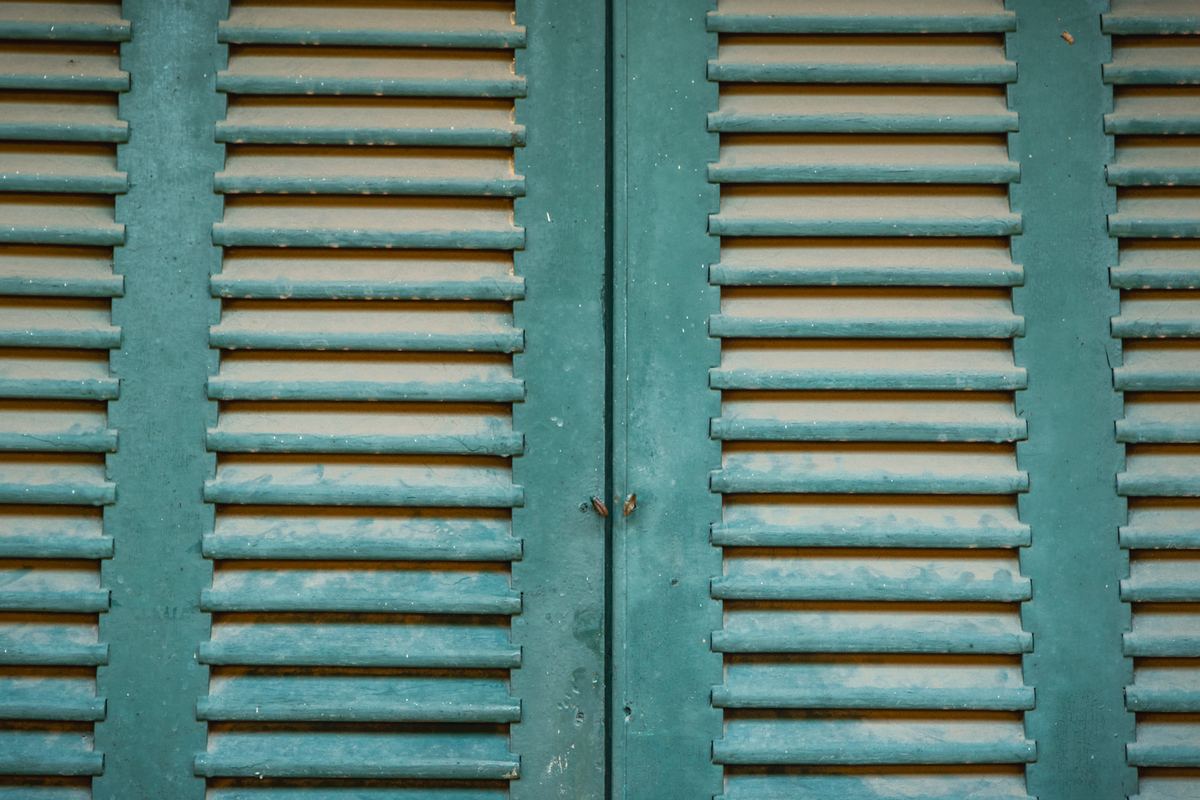
A lived-in house is warmed, aired and dried every day by the people in it. A closed house is not. Shutters stop the sun drying the walls, and still air lets moisture settle. Furniture against outside walls, mattresses and clothes left in wardrobes are where mould appears first.
Want us to look after this for you?
Ask on WhatsAppWhat we do
- Air every room on each visit, opening shutters and windows where it is safe
- Run heating or air conditioning in heat or dry mode briefly in damp-prone rooms
- Set up and empty dehumidifiers, or install ones that drain away
- Pull furniture slightly away from outside walls and leave wardrobe doors ajar
- Check walls, ceilings and soft furnishings, and photograph anything new
- Track down and fix the source when it is not condensation: terrace seals, render, gutters
Treating mould that has already appeared
Surface mould on walls can be cleaned and treated, and the room repainted with anti-mould paint once the cause is fixed. Mattresses, curtains and clothes badly affected may need professional cleaning or replacement. Persistent damp in walls needs a builder's diagnosis, which we arrange through our maintenance service.
Prevention is the cheaper option
Fortnightly or monthly property checks with airing cost far less than redecorating a mouldy bedroom or replacing a mattress every year. If your house has a history of damp, tell us and we will plan visits around the wettest months.
Questions owners ask
Why does my Spanish villa smell musty when I arrive?
Usually condensation in a closed house: humid air settling on cool walls and in fabrics with no ventilation. Regular airing and dehumidifying between visits stops it.
Will anti-mould paint fix damp walls?
Only if the damp is condensation that has been brought under control. If water is coming in or rising from the ground, the source has to be fixed first.